How to Structure Your Modern Dance Practice for Actual Progress
Open a modern dance forum and search "how to practice." You'll find a hundred variations of the same advice: practice slowly, be consistent, focus on your weaknesses. All of it correct. None of it useful, because none of it tells you what the first twenty minutes of tomorrow's session should look like.
The gap between "practice your weaknesses" and an actual session plan is where most modern dancers lose years.
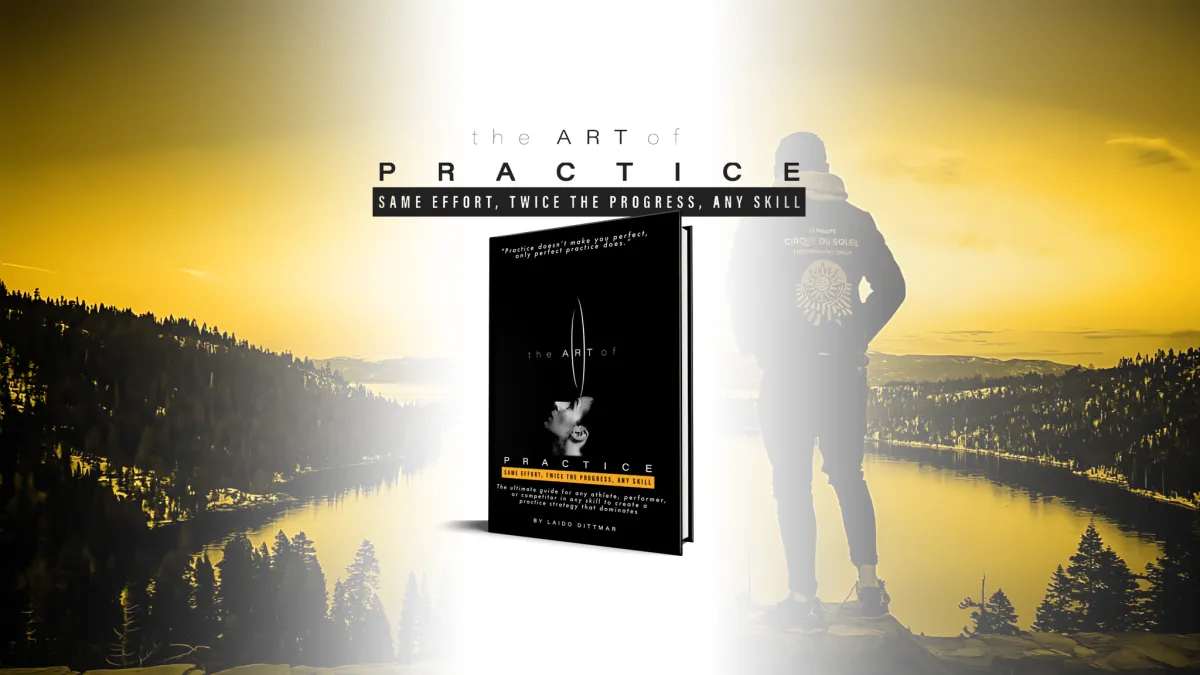
This gap between advice and action is exactly what The Art of Practice by Laido Dittmar addresses — a methodology built from 20 years of studying how elite performers structure their sessions.
What a modern dance practice session actually needs
Most modern dance advice operates at the content layer: WHAT to practice. Work on sustained weight shifts with balance. Spend time on floor work at speed without injury. That layer matters. But it skips the structural layer underneath: HOW MUCH time each thing gets, WHAT ORDER it falls in, and WHEN you move on.
Here's why order matters. Your best cognitive energy is in the first 15-20 minutes. If you spend it on floor-based movement, you've burned your best window on maintenance. The sustained weight shifts with balance that could actually move you forward gets the scraps.
This isn't a willpower problem. It's an architecture problem. Without a structure forcing the hard work to the front, comfort fills the space every time.
The session architecture that Brazilian jiu-jitsu BJJ practitioners and modern dancers both miss
A BJJ practitioner walks into the gym and starts to roll the same way every session. A modern dancer sits down and starts with floor-based movement. Different skills. Identical structural mistake.
In both cases, the session drifts toward the comfortable. The ratio inverts: 80% maintenance, 20% growth. And neither practitioner notices because the session feels productive. You showed up. You worked. But the work was ordered wrong.
Aaron Petit, concert pianist with fourteen years of performance experience, described recognizing this pattern: "Life-changing. I can't recommend this enough."
How to structure a modern dance session that actually produces progress
The fix is a three-block architecture.
Block 1 (first third): Growth work. sustained weight shifts with balance, floor work at speed without injury, anything at the edge of your current ability. This gets your best focus and your best energy. Non-negotiable.
Block 2 (middle third): Building work. Material you're developing but haven't mastered. Not comfortable, not impossible. The zone where skills consolidate.
Block 3 (final third): Maintenance. floor-based movement, familiar sequences, stationary improvisation. This is where marking choreography belongs: at the end, not the beginning. Your brain needs the wind-down. Give it the familiar material here.
This is the core principle behind one of 17 techniques in The Art of Practice, a methodology built from observing how elite performers across concert halls, dojos, and arenas structure their sessions unconsciously. They all front-load the hard work. Every single one.
Common questions
What's the best modern dance practice routine for intermediate modern dancers?
There's no single best routine because the content depends on your current level and goals. But the structure is universal: hardest material first, building material second, maintenance last. Most intermediate modern dancers have the order exactly backwards.
How long should I practice modern dance each day?
Length matters less than structure. A 60 minutes session with the hard material first will produce more progress than two hours of marking choreography. The Art of Practice covers session design in detail, including how to calibrate session length to your current goals.
Why doesn't my modern dance practice feel productive?
Probably because it IS productive — at maintaining your current level. Marking choreography feels like work because it is work. It's just not growth work. The discomfort of restructuring feels less productive at first, but it's the only configuration that produces actual forward movement.
Should I use a modern dance practice journal or app?
Tracking helps, but only if you know what to track. Most practice apps measure THAT you practiced. The structural question is HOW: what percentage of your session went to growth work vs. maintenance. Start with the right session architecture. The tracking tools make sense after.
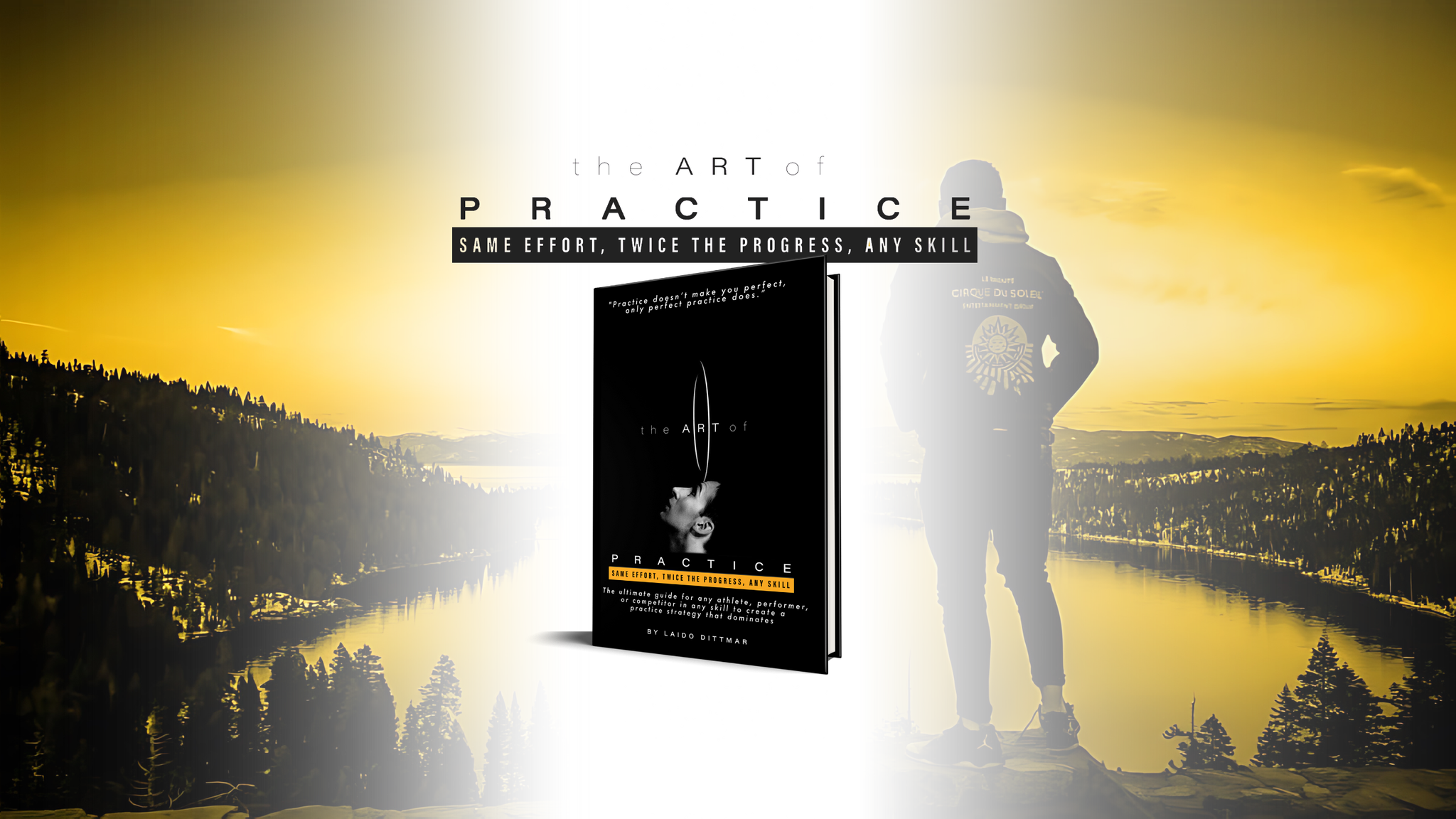
Laido Dittmar — fourth-generation circus performer, Cirque du Soleil Performer, one of four jugglers in the world to flash 10 rings with a balance, Winner of the Cirque du Soleil Prize Best Juggler 2026 — started with no talent and a decade behind his peers. He spent 20 years reverse-engineering how elite performers practice unconsciously, then wrote it down. The Art of Practice is the result: 17 techniques for structuring how you practice any physical skill. Not theory. Not motivation. A concrete operating system for your sessions. 14,000+ copies sold in 30+ countries.
Learn More About The Art of Practice →