Why You're Not Getting Better at Ninja Warrior Training (Even Though You Practice Every Day)
You show up. You spend the next 20 minutes balance beam work, bar traversal, agility drills, and upper body conditioning. You pack up feeling like you put in the work.
But nothing changed. And it hasn't changed in months.
This is the ninja warrior training practice plateau. It's not about talent, age, or how many hours you're logging. It's about what happens during those hours.
Why grinding obstacle practice is killing your ninja warrior training progress
Here's what a typical ninja warrior training practice session looks like for most intermediate ninja warrior athletes: balance beam work, bar traversal, agility drills, upper body conditioning, maybe attempt advanced grip strength requirements. Time's up.
Sound familiar?
The problem isn't that any one of those activities is bad. The problem is the order and the ratio. Most ninja warrior athletes spend 80% or more of their practice time on material they can already handle: easier obstacle progressions. The stuff that would actually push their ability forward (advanced grip strength requirements, multi-obstacle sequences without failure, mental composure on height/balance obstacles) gets crammed into the last ten minutes, when focus and energy are already gone.
This isn't laziness. It's what unstructured practice defaults to. Comfortable material feels productive. Challenging material feels frustrating. Without something forcing you to flip that ratio, comfort wins every session.
And every session that comfort wins, the plateau gets a little more cemented.
The practice structure problem every ninja warrior athlete shares with gymnastics intermediates
This pattern isn't unique to ninja warrior training. In gymnastics, they call it "drilling basics": repeating the same skills on the same apparatus at the same level. A gymnast who drills level 5 skills for two years is still at level 5. A ninja warrior athlete stuck in the same routine for three years is still the same ninja warrior athlete.
The structural problem is identical: the ratio of maintenance to growth work is inverted. You're spending almost all your time reinforcing what you already have and almost none on what you don't.
Barbara LaFitte, music educator at Berklee College of Music, spent years training the same way everyone does. When she restructured her practice using this approach, the reaction was immediate.
"This methodology has transformed how I teach my students to practice."
— Barbara LaFitte, Berklee College of Music
Barbara wasn't talking about ninja warrior training. But she was talking about exactly this: the invisible structure underneath every practice session that determines whether you improve or just repeat.
Breaking through the ninja warrior training practice plateau
The fix isn't practicing more. It's restructuring the practice you're already doing.
What if you flipped the session? Started with the hard thing, the technique at the edge of your ability, while your focus is fresh and your energy is highest. Gave it the first 20 minutes instead of the last 5. Then worked through your familiar material afterward, when your brain needs the break.
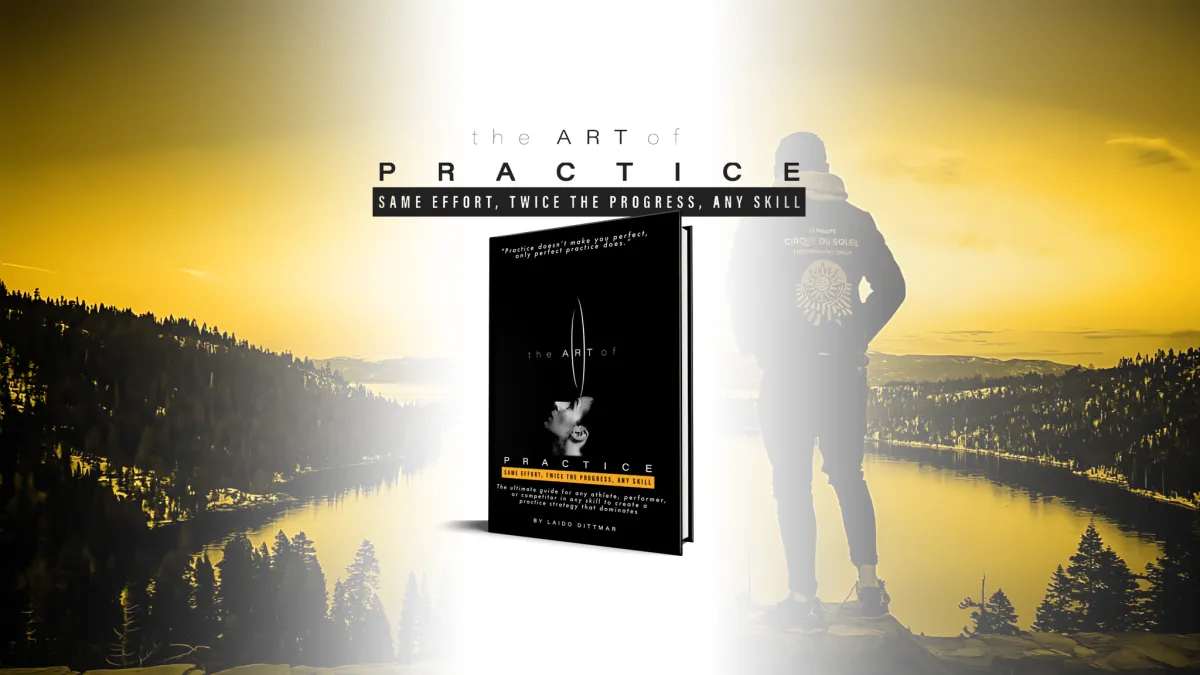
This is one of 17 specific techniques in a methodology built from studying how elite performers (concert pianists, professional athletes, Cirque du Soleil Performers) structure their practice without thinking about it. They don't save the hard work for the end. They don't let comfortable material eat the session. They have an internal architecture that prioritizes growth work first, every time.
The methodology reverse-engineers that architecture and makes it teachable. It works across every physical skill because the structural problem is universal. The comfort-first default exists in every discipline. The same approach that gets a stuck ninja warrior athlete past a year-long plateau is the same one that gets a figure skater past a technical ceiling. The skill is different. The practice structure problem is identical.
Common questions
How long does it take to break through a ninja warrior training practice plateau?
Most ninja warrior athletes notice a difference in their very first session after restructuring, because the moment you see where your time was actually going, you can't unsee it. The plateau wasn't caused by a lack of ability. It was caused by a session structure that buried the hard work under comfortable material. Fix the structure, and the first session already feels different. The Art of Practice covers this in detail, specifically the technique for calibrating when to push forward and when to consolidate.
Why do I feel stuck at the same level after years of ninja warrior training practice?
Because your sessions probably look the same as they did years ago. If you're still spending most of your time on easier obstacle progressions, you're reinforcing your current level rather than building past it. The issue is session architecture, not effort.
Is it normal to feel like I'm getting worse at ninja warrior training?
Yes, and it usually means the opposite of what you think. When you've been comfortable for months, everything feels smooth because you're never testing your limits. The moment you start working on material that's actually hard for you, you notice every gap. That's not regression. That's what honest practice feels like.
How should I structure my ninja warrior training practice session?
Put the most challenging material first, when your focus and energy are highest. Work on technique or new material for the first third of your session. Use the middle third for material you're building toward proficiency. Save the comfortable work for the end. This reverses the default pattern that causes plateaus.
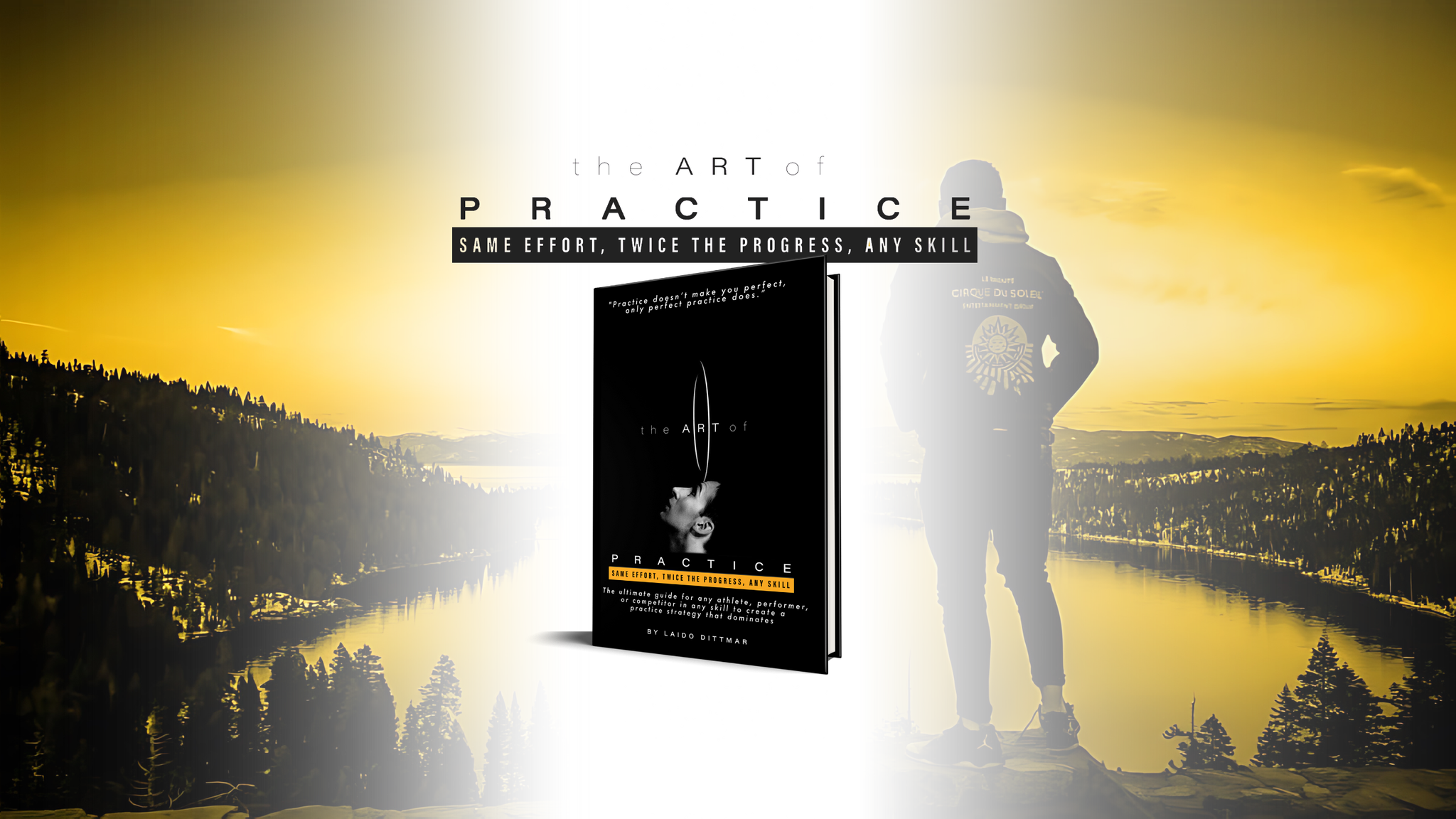
Laido Dittmar — fourth-generation circus performer, Cirque du Soleil Performer, one of four jugglers in the world to flash 10 rings with a balance, Winner of the Cirque du Soleil Prize Best Juggler 2026 — started with no talent and a decade behind his peers. He spent 20 years reverse-engineering how elite performers practice unconsciously, then wrote it down. The Art of Practice is the result: 17 techniques for structuring how you practice any physical skill. Not theory. Not motivation. A concrete operating system for your sessions. 14,000+ copies sold in 30+ countries.
Learn More About The Art of Practice →