You Know Pedal Harp vs Lever Harp Practice Matters. Here's Why You're Still Stuck.
You know practice matters. Maybe you've read the books (Peak, Atomic Habits, whatever your teacher recommended). Maybe you haven't, and you just know from experience that putting in the hours should produce results. Either way, you understand that mindless repetition won't cut it, that you need targeted work on the hard things.
Yet you open your case three months later and find yourself pedaling/lever-changinging through the same , the same repertoire, everything comfortable and nothing changing.
The gap isn't knowledge or effort. It's that nobody has given you a concrete structure for what to actually do in your next session.
Why running the same lever/pedal changes on autopilot keeps you stuck
A typical session: warm up, run through familiar pedal harp vs lever harp material, attempt something harder at the end. The whole thing takes 20 minutes, and at the end, you feel like you practiced.
You did. You also learned nothing new.
This is running the same lever/pedal changes on autopilot: repeating what's comfortable and calling it work. The comfort is real. The progress is not. After a season of this, you hit the plateau: Pedal/lever coordination plateaued.
The plateau isn't a ceiling. It's a place where practice stops happening and repetition begins.
Why understanding the problem doesn't fix it
There's no shortage of advice about practice. Books explain the science: elite performers isolate weaknesses, push past comfort, use immediate feedback. Your teacher tells you to work on the hard things. The internet has a thousand articles about deliberate practice.
None of them tell you what to do when you sit down to practice on a Tuesday night.
That's the gap. You understand why practice matters. You might even understand what deliberate practice is supposed to look like in theory. But you don't know which of your three weak spots to work on first, how to structure the feedback, or what a session of real development work looks like when you're holding your instrument.
So you default to what feels productive: you pedaling/lever-changing through the repertoire you already know. And the plateau stays exactly where it was.
Most harp players (specialized) stay in running the same lever/pedal changes on autopilot mode because the alternative — real, directed, uncomfortable practice — requires a structure nobody has handed them. Not a principle. Not a theory. An actual operating system for the session.
The practice structure gap a harp player (specialized) and a pianist both fall into
A pianist who understands deliberate practice still walks into the practice room and defaults to play through the same pieces every session. Pianists who play through the same pieces every session understand the principle. They don't have a system for applying it in real time.
A harp player (specialized) stuck on the same repertoire for a season faces the exact same gap. The principle is clear. The operating system is missing.
This gap exists because understanding a principle and having a system to apply it are two different things. Knowing you should isolate weaknesses doesn't tell you which three hard things to layer into your practice this month, or in what order, or how to set up the feedback that tells you whether you're actually improving.
What Kasia Florchuk figured out
Kasia Florchuk is a professional ice skater with 10+ years of competitive experience. She understood everything about deliberate practice in theory. She still hit the same plateaus. When she restructured her sessions using a concrete methodology — one that told her which techniques to work, in what order, with what feedback — the shift was immediate: "Completely changed how I practice. I wish I had this 10 years ago."
Knowledge had prepared her intellectually. A methodology made her actually progress.
Moving past the pedal harp vs lever harp deliberate practice gap
The difference between running the same lever/pedal changes on autopilot and deliberate practice isn't effort. It's specificity. It's knowing that has distinct failure modes, and you're working on the wrong one. It's understanding that breaks down in a predictable sequence, and your session structure needs to address that sequence, not just repeat the repertoire.
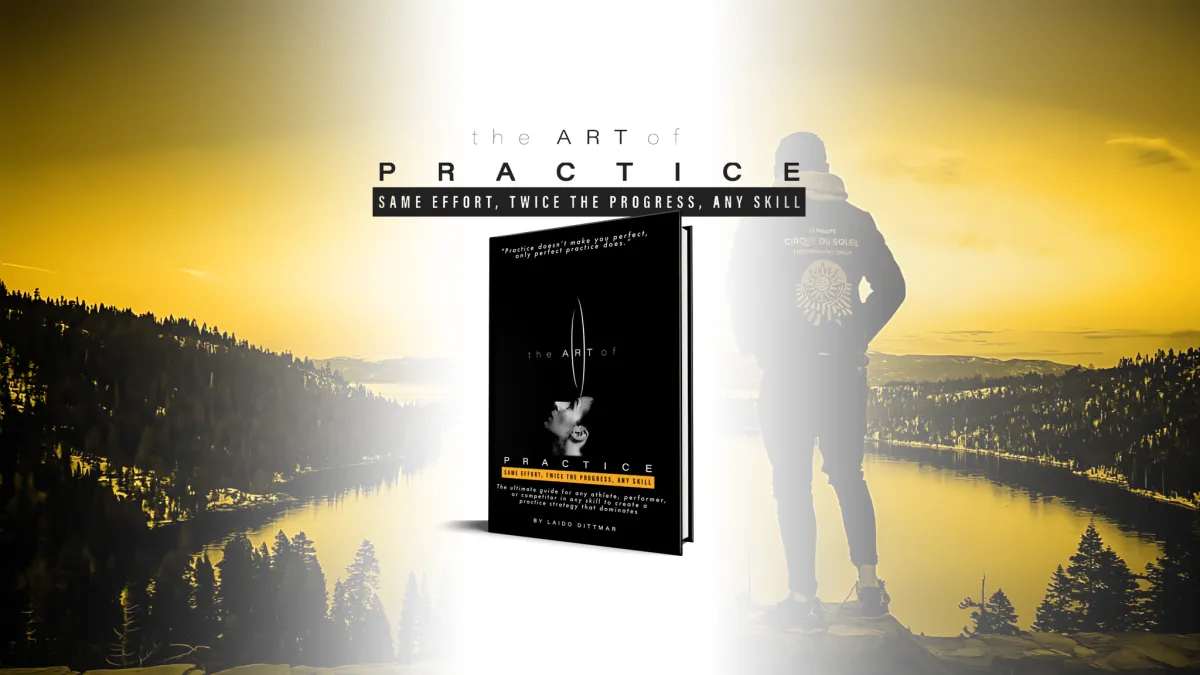
The methodology behind The Art of Practice was built by studying what elite performers do without thinking, then making those patterns teachable. It turns the principle of deliberate practice into concrete, session-level actions.
A harp player (specialized) at a plateau has usually solved the easy problems. The hard things remain hard because you're treating them like running the same lever/pedal changes on autopilot: repeat more, push harder, hope it sticks. The plateau isn't saying you need more time. It's saying you need a different structure.
Common questions
How do I know if I'm pedaling/lever-changinging instead of practicing?
Can you describe a specific weakness you eliminated last month? Not repertoire you learned, but something that was hard that isn't anymore. If you can't point to a concrete technical improvement in the last four to six weeks, you're likely pedaling/lever-changinging. Your session is productive. Your progress is not.
What if I don't have a specific weak point? Everything feels stuck.
This is common at the plateau. When everything feels hard, the instinct is to work on everything, which means working on nothing with real focus. The methodology starts by identifying your top three barriers: , , and .
How is The Art of Practice different from other books about practice?
Most books about practice explain why it matters: the science of deliberate practice, the role of feedback, the importance of consistency. The Art of Practice gives you the how: seventeen techniques and session structures that turn those principles into concrete actions in your practice room. It's not theory. It's an operating system.
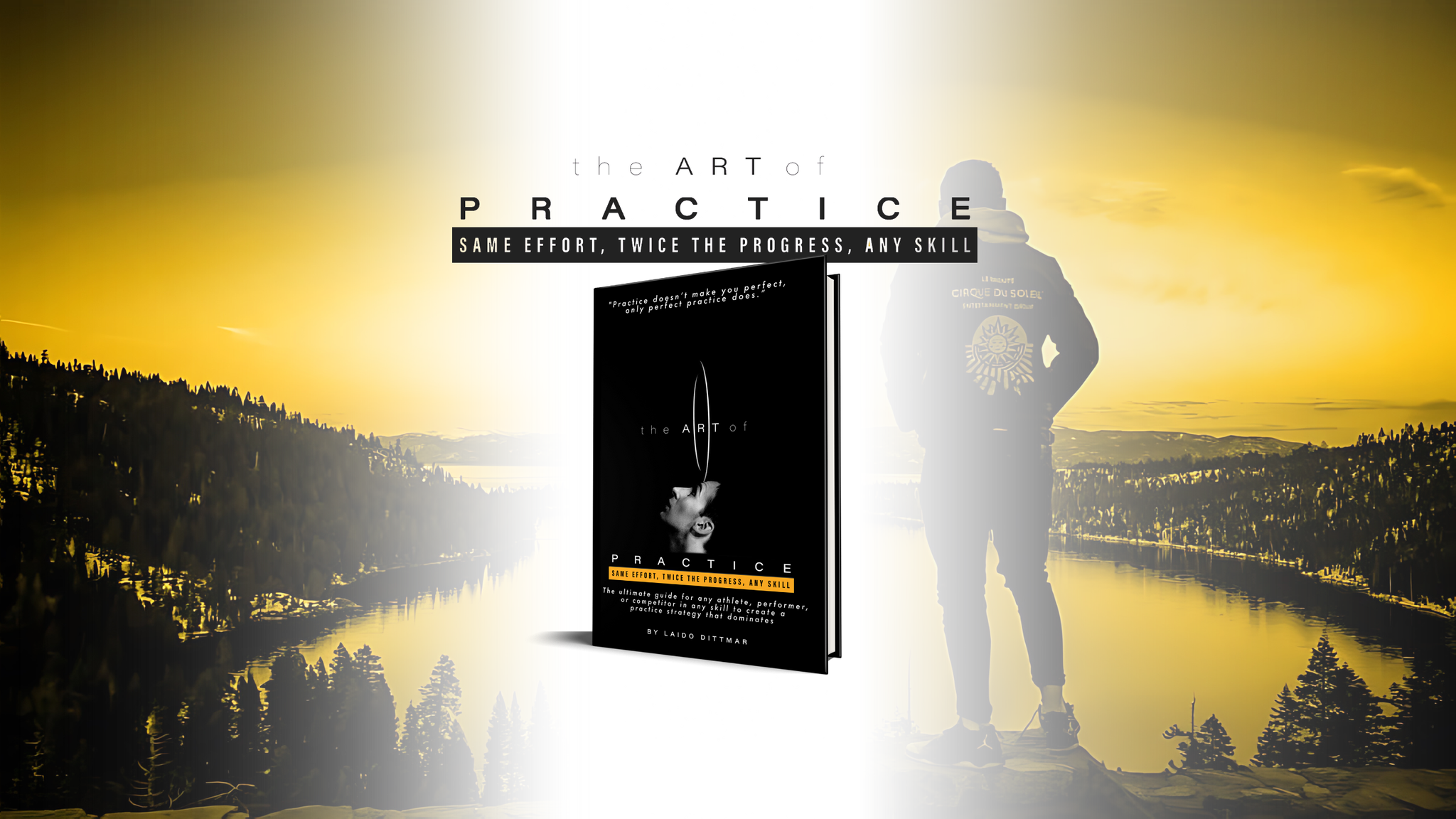
Laido Dittmar — fourth-generation circus performer, Cirque du Soleil Performer, one of four jugglers in the world to flash 10 rings with a balance, Winner of the Cirque du Soleil Prize Best Juggler 2026 — started with no talent and a decade behind his peers. He spent 20 years reverse-engineering how elite performers practice unconsciously, then wrote it down. The Art of Practice is the result: 17 techniques for structuring how you practice any physical skill. Not theory. Not motivation. A concrete operating system for your sessions. 14,000+ copies sold in 30+ countries.
Learn More About The Art of Practice →