Started Wrestling Late? Why That's Not the Problem You Think It Is
You started wrestling at 28. The fighters around you have been at it since age 6. They make upper body control in scrambles look effortless. You're still working on the basics. The math feels impossible. How do you close a 20-year head start?
Here's what that math misses: the head start only compounds if the practice structure is right. For most people, it isn't.
The "too late for wrestling" myth and what's actually going on
The belief that starting late puts a permanent ceiling on your wrestling ability rests on one assumption: that years of practice equal years of progress. They don't.
Look at any intermediate wrestler who's been at it for a decade. They've been training for ten years and they're still stuck on the same techniques. The years accumulated. The progress didn't, because the practice structure was wrong the entire time.
A late starter with the right practice architecture will outpace an early starter with the wrong one. Not eventually. Within months.
What wrestling late starters and Brazilian jiu-jitsu beginners have in common
In Brazilian jiu-jitsu, beginners walk in and see people with years of experience moving in ways that seem impossibly fluid. The gap feels permanent from the inside. It isn't.
The structural advantage late starters actually have: you don't carry years of bad practice habits. A wrestler who's been drilling the same way for a decade has a deeply grooved comfort-first pattern to break. You're building from scratch. If the architecture is right from the start, the foundation is sound.
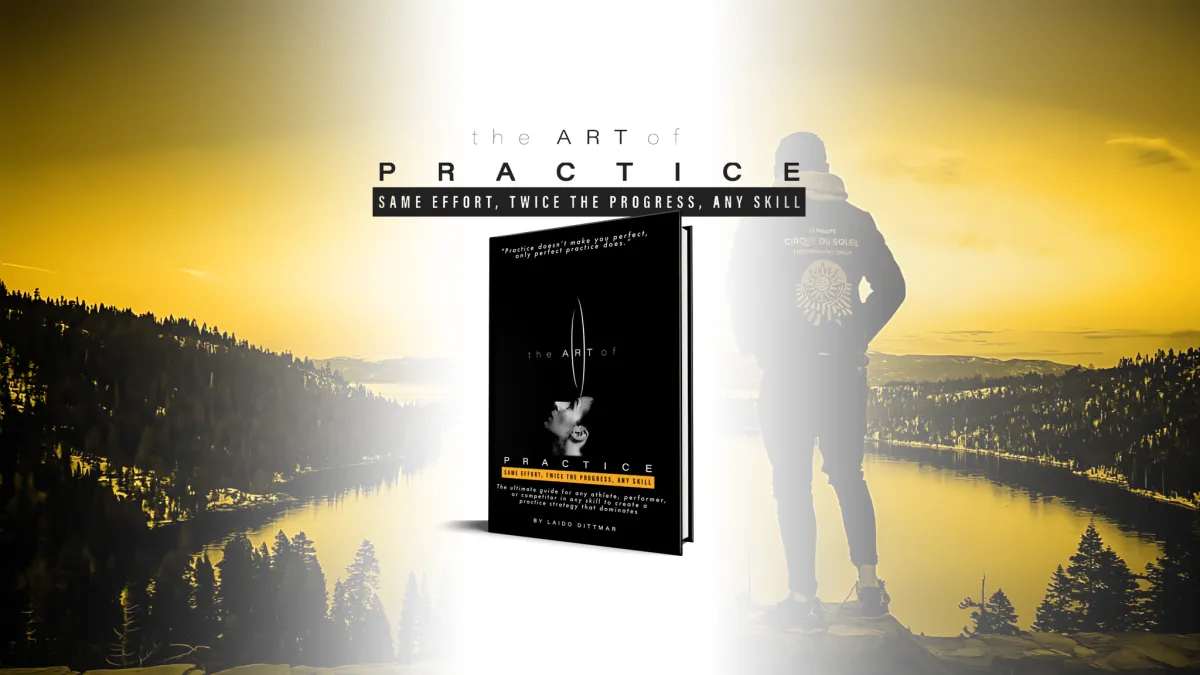
Laido Dittmar, the author of The Art of Practice, showed no early talent in his field. Started juggling at 17, a decade behind his peers in a family of fourth-generation circus performers. Was told he was too late and not gifted enough. He became a Cirque du Soleil performer. The difference wasn't more hours. It was observing what the elite performers around him actually did during practice, then building a system from those patterns.
Rocco Panzanelli, professional drummer in Italy, put it directly: "10 days and things are already changing."
How to structure wrestling practice when you're starting behind
The instinct when you're behind is to practice everything at once. Cover as much ground as possible. This is the worst thing you can do. It spreads your energy across too many skills at the lowest effective dose for each.
The fix is the opposite: narrow the focus, increase the depth. Pick upper body control in scrambles. Work it until it reaches 90% proficiency, then move to top position leg control. Each skill you bring to 90% makes the skills around it easier to develop.
This is one of 17 specific techniques, each one built from reverse-engineering how elite performers across disciplines practice unconsciously. They don't try to learn everything. They sequence what they learn so each skill compounds into the next.
Common questions
Am I too old to get good at wrestling?
No. Age affects the ceiling for competitive elite performance in some disciplines. It does not affect the ability to develop high-level skill. The limiting factor for adult learners is almost always practice structure, not age. Most adults practice in a way that reinforces their current level rather than building past it.
How long does it take an adult beginner to get good at wrestling?
That depends on what "good" means to you, but the timeline has less to do with raw hours than with how those hours are structured. An adult practicing 60 minutes a day with the right session architecture will progress faster than one practicing two hours with the wrong one. The Art of Practice covers session design for exactly this, including how to sequence skill development when starting from scratch.
Can you learn wrestling in your 30s or 40s?
Yes. The belief that skill development has a hard age cutoff comes from confusing elite competitive timelines with general skill acquisition. They're different things. What matters is the practice structure, not the birth date.
What's the fastest way to improve at wrestling as a beginner?
Front-load the hard material. Work on the techniques at the edge of your current ability when your focus and energy are highest. Save the comfortable material for the end of your session. Most beginners do the opposite: they warm up with easy material, spend most of their time on what's comfortable, and rush through the hard stuff at the end. Flipping this order is the single highest-leverage change you can make.
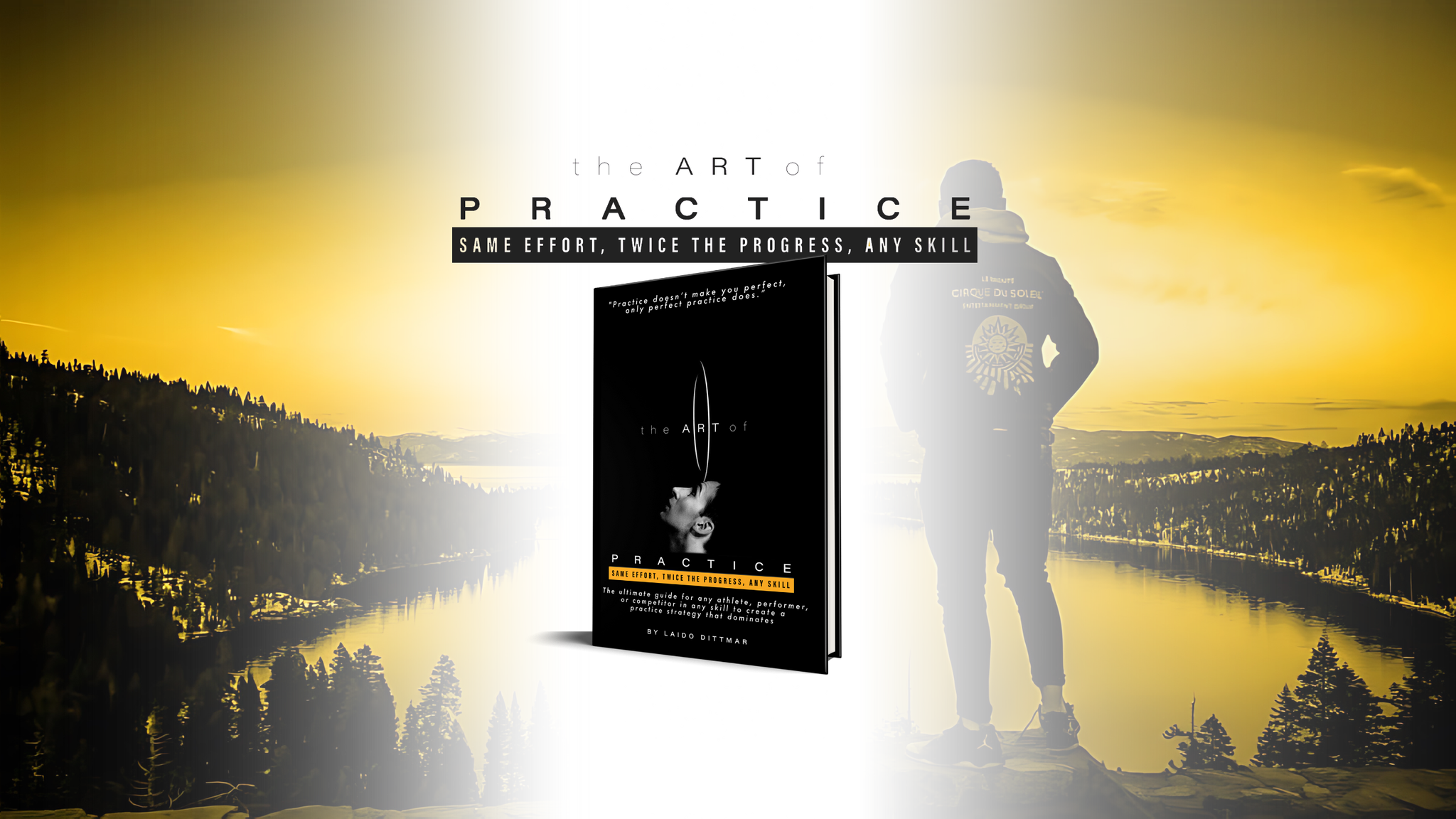
Laido Dittmar — fourth-generation circus performer, Cirque du Soleil Performer, one of four jugglers in the world to flash 10 rings with a balance, Winner of the Cirque du Soleil Prize Best Juggler 2026 — started with no talent and a decade behind his peers. He spent 20 years reverse-engineering how elite performers practice unconsciously, then wrote it down. The Art of Practice is the result: 17 techniques for structuring how you practice any physical skill. Not theory. Not motivation. A concrete operating system for your sessions. 14,000+ copies sold in 30+ countries.
Learn More About The Art of Practice →